



When a border closes, an airport shuts, or protests turn violent, the organizations that get their people out fastest usually have one thing in common. They wrote the plan before they needed it.
In March 2026, airspace across the Gulf closed with very little warning. Sicuro coordinated ground moves out of the UAE, Bahrain, and Qatar to airports in Muscat and Riyadh, assisting more than 4,000 people from over 30 nationalities across 25+ missions. Moves like these go much faster when the big questions (who decides, who goes, which roads to take) were answered months earlier.
This guide explains what a security evacuation plan is, why your organization needs one, and how to build one section by section. It's written for Security, HR, travel, and operations managers who are responsible for staff local or abroad and may not have a full security team to lean on.
What is a security evacuation plan?
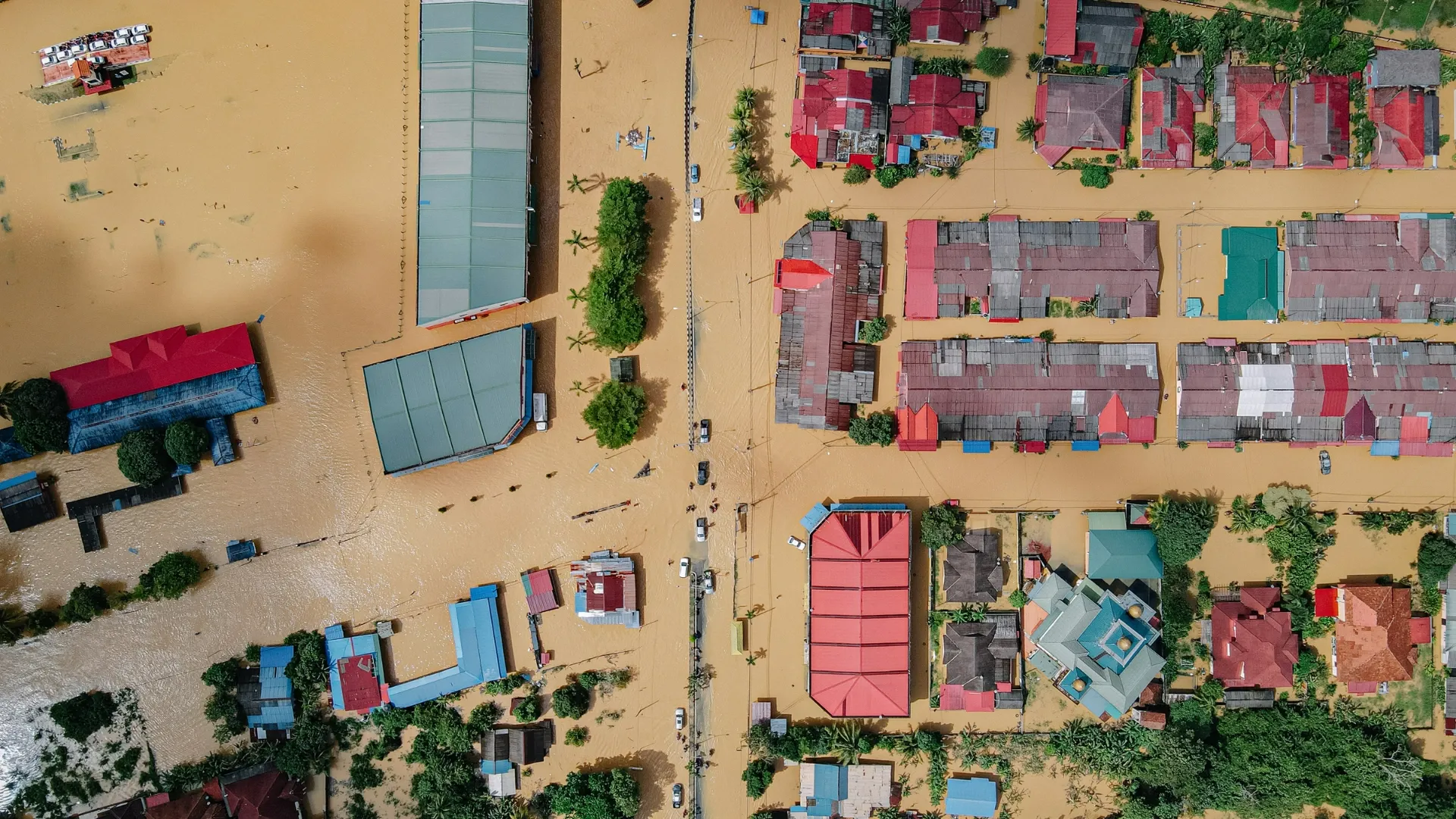
A security evacuation plan, sometimes called a country evacuation plan, sets out how your organization will move its people out of a country (or to a safer part of it) when staying becomes too dangerous. The cause might be armed conflict, civil unrest, a coup, terrorism, a disease outbreak, or a natural disaster such as a cyclone, earthquake, or flood. The same plan works for all of them, because the hard parts are the same: knowing when to act, keeping in touch with everyone, and getting people across a border safely.
| Building or site evacuation plan | Security evacuation plan | |
|---|---|---|
| What it protects against | Fire, gas leak, bomb threat at one site | Conflict, unrest, disasters affecting a whole city or country |
| How long it takes | Minutes | Hours, days, sometimes weeks |
| Where people go | An assembly point outside | Another city, a neighboring country, or home |
| Who decides | Fire wardens and alarms | Named senior leaders, often with outside advice |
| What it covers | Exits and roll call | Families, passports, visas, flights, borders, insurers, communications |
It's a very different document from the fire evacuation plan on your office wall. If your company only has the first kind, you have a gap.
Why your organization needs an emergency evacuation plan
You have a duty of care. If you send people to work abroad, you are responsible for their safety. A written, tested emergency evacuation plan is one of the clearest ways to show you prepared properly, and standards such as ISO 31030 for travel risk management expect organizations to have contingency plans in place. Read more about duty of care for employers.
Good decisions are hard to make in a crisis. Phone networks get overloaded, the internet can be cut, families call in a panic, and leaders disagree about whether it's time to go. A plan settles those arguments in advance, when everyone is calm.
The easy exits disappear first. Commercial flights fill up or get canceled, and international airlines often stop flying before local ones do. Airports can close in hours. The organizations that act early, while scheduled flights still run, have far more options and spend far less.
Someone else may not come. Embassies give travel advice and consular help, but they rarely run evacuations for private employers. Many insurance and assistance policies also exclude war, unrest, or political violence, so check what your cover actually includes before you rely on it.
Your people will ask. Staff posted abroad, and their families, want to know what happens if things go wrong. A real plan gives you a confident answer.
As one Senior Director of Global Safety and Security at a management consultancy put it after a Sicuro evacuation: "It was a situation that none of us will forget for the rest of our lives."
How to build a security evacuation plan in 10 steps
Every plan Sicuro writes follows the same basic order, from everyday preparation through to the moment everyone is home. Here is what goes into each part of your emergency evacuation procedures, and the questions you'll need to answer.
1. Decide who is covered
Start by writing down exactly who the plan protects. Most plans cover international staff and their spouses and children. Local staff are usually helped to get home safely rather than moved out of the country. Be clear about the groups that are not covered, such as domestic workers, extended family, and pets, so there are no surprises later.
Also decide what happens if someone refuses to leave. Most organizations ask that person to sign a waiver confirming they understand the company can no longer take responsibility for their evacuation.
2. Name who makes the call
Pick the people who can activate the plan, usually one or two senior leaders, and name backups in case they can't be reached. List any outside providers you'll call for support and agree in advance who is allowed to activate them. Waiting to find out who decides is one of the biggest causes of delay.
3. Prepare before anything happens
Most of the work in a security evacuation happens long before the crisis. Your plan should cover:
- Passports and visas. Keep a live list of everyone's travel documents, including any passport that is away at an embassy for a visa. If tension is rising, recall those passports and stop sending new ones out.
- A manifest. Hold the details an airline or charter operator will ask for: full names as on passports, nationalities, passport numbers, and dependents.
- Home locations. Record every residence with a full street address, a nearby landmark, a what3words location for the front door, and a photo of the door. Drivers can't find people at night without this.
- Grab bags. Ask every evacuee to keep a small bag ready with passports, copies of documents, cash in local currency and US dollars, medication, chargers, and a power bank.
- Supplies at home. Ask staff to store seven days of water and food that needs no cooking, in case they need to stay put.
- Vehicles. If cars may be used, keep them fueled and serviced, carry the paperwork needed to cross borders, and check that insurance covers neighboring countries.
4. Set your evacuation triggers
Triggers are the warning signs that tell you it's time to discuss leaving. Examples include airlines suspending routes, your government advising against travel, borders closing, curfews, or attacks near where your staff live. Choose a clear threshold, for example "when two or more triggers are breached, the crisis team meets."
Sicuro's free CHARIS trigger tracker lets you monitor up to 10 evacuation triggers across your country and sends a daily status report.
When a threshold is breached, the plan should list the options the team can choose from: carry on as normal, add safety measures, reduce activity, work from home, send non-essential people out early, shelter in place, or evacuate. Record every discussion and decision.
5. Plan how you'll communicate
Write down who gets told, in what order: your local crisis team first, then outside providers and insurers, then head office, then all staff. Have at least three ways to reach people, such as Microsoft Teams, a WhatsApp group, phone calls, and satellite phones if the networks go down.
Prepare message templates now, so no one is writing from scratch under pressure, and track who has confirmed they received each message. Once things start moving, update staff often. Silence breeds rumors and panic.
6. Move people out early where you can
You don't have to wait until everyone must leave. Sending dependents, people who can work remotely, and anyone who wants to go on scheduled commercial flights early lowers the number of people at risk. It also makes any later emergency evacuation smaller and faster.
7. Plan to shelter in place
Sometimes leaving is more dangerous than staying, for example when roads are blocked or fighting is close by. Your plan should explain how people will stay safe at home, how the crisis team will keep working (including rest and food for the team itself), and how you'll stay in contact. This is also when you prepare the office for closure: protecting sensitive documents, securing data, and deciding what to destroy.
8. Map your routes out
List every realistic way out by air, land, and sea, with a primary and a backup. For each country, note the international airports, the border crossings, and any limits, such as crossings open only to certain nationalities or countries that demand e-visas in a crisis even when visas are normally issued on arrival.
When flying out, try to book connections where people stay airside (inside the airport without passing through immigration), which reduces visa problems. In civil unrest, the best security evacuation and evacuation option is often a daylight road move with vetted drivers and security officers, rather than a rush to a crowded airport. Sicuro's free Airspace & Border Status Tracker shows which routes are open.
9. Run a controlled pick-up point
Choose a meeting point, ideally a solid concrete building, plus a backup. Before anyone arrives, create a load plan showing who travels in which vehicle and share it with everyone. At the pick-up point, check each person's name, passport, and visas, then give them a color-coded wristband that matches their vehicle. Count heads before every departure and at every stop, including border crossings and rest breaks.
10. Receive people safely and close out
The plan ends when everyone has reached home or another safe place, not when they cross the border. Confirm each safe arrival, arrange onward travel, and look after staff wellbeing. Then hold an after-action review, update the plan with what you learned, and review it at least once a year or whenever risk rises.
Common mistakes to avoid
- Writing it once and filing it. Staff change, passports expire, and new people arrive with families. An out-of-date manifest slows everything down.
- Forgetting about nationality. Visa rules and border access depend on each person's passport. A route that works for one colleague may be closed to another.
- Relying on one way to communicate. If your whole plan depends on email or a single messaging app, a network outage leaves you blind.
- Assuming someone else will step in. Embassies, insurers, and assistance companies all have limits. Know what each one will and won't do before you need them.
- Leaving the decision open. If no one is clearly named as the person who decides, the team will debate while the options shrink.
- Never testing it. The first time your leaders use the plan shouldn't be during a real emergency. A short tabletop exercise once a year shows where the gaps are.
Write it yourself, or have Sicuro build it for you
If you'd like to start on your own, following the structure above gives you a solid first draft to build on.
The above structure and questions give you the framework. The harder part is the local detail: which border crossings are open to which nationalities, which airlines tend to cancel first, how long a road move really takes, and which transport companies will still answer the phone when things go wrong. That's where Sicuro can come in.
Sicuro's security evacuation services include writing a complete, location-specific plan for you. A senior crisis management consultant works with your team over a few short sessions, then delivers a finished plan covering triggers, decision authority, communication trees, routes, transport options, shelter in place, manifests, and pick-up point procedures. We've been doing this since 2005, and the same team that writes the plans runs the evacuations.
One Security Counselor at a government agency described the result: "The service and support provided by Sicuro to my team and our in-country defense staff proved invaluable. The service you provided us greatly assisted with our safe and effective evacuation out of the country."
For organizations that want a team on standby as well as a plan, Sicuro Response adds 24/7 access to our operations center and our global emergency evacuation services across 140+ countries.
Learn more about our Evacuation Plans or talk to our team.

Frequently Asked Questions
A security evacuation plan should cover who is included, who has authority to activate it, preparation steps such as passport tracking and grab bags, evacuation triggers, a communication plan with backup channels, early departure of non-essential staff, shelter in place, primary and backup routes, pick-up point procedures, and how people are received and accounted for at the end.
Review it at least once a year, and again whenever the risk in a country rises. Update the staff and dependents list and passport records every time someone joins, leaves, or travels for a visa.
Sheltering in place means staying somewhere safe, usually at home, until conditions improve. Evacuation means moving people out of the area or country. A good plan prepares for both, because moving can sometimes be more dangerous than staying.
Yes. Earthquakes, cyclones, floods, and disease outbreaks create the same problems as conflict: closed airports, broken communications, and pressure to make fast decisions. The same plan structure applies.
Security evacuation services are specialist support for planning and carrying out the movement of people out of dangerous areas. They can include writing the evacuation plan, monitoring triggers, 24/7 crisis support, ground transport with security, charter flights, and border crossing support.

Commercial Operations Director
River brings over a decade of experience in strategy consulting, finance, and operations across the U.S., MENA, and Asia. He has advised more than 300 companies in sectors including construction, logistics, manufacturing, and technology, with a proven track record in commercial sales and operational efficiency.
+971 4 362 6378
risk@sicurogroup.com