

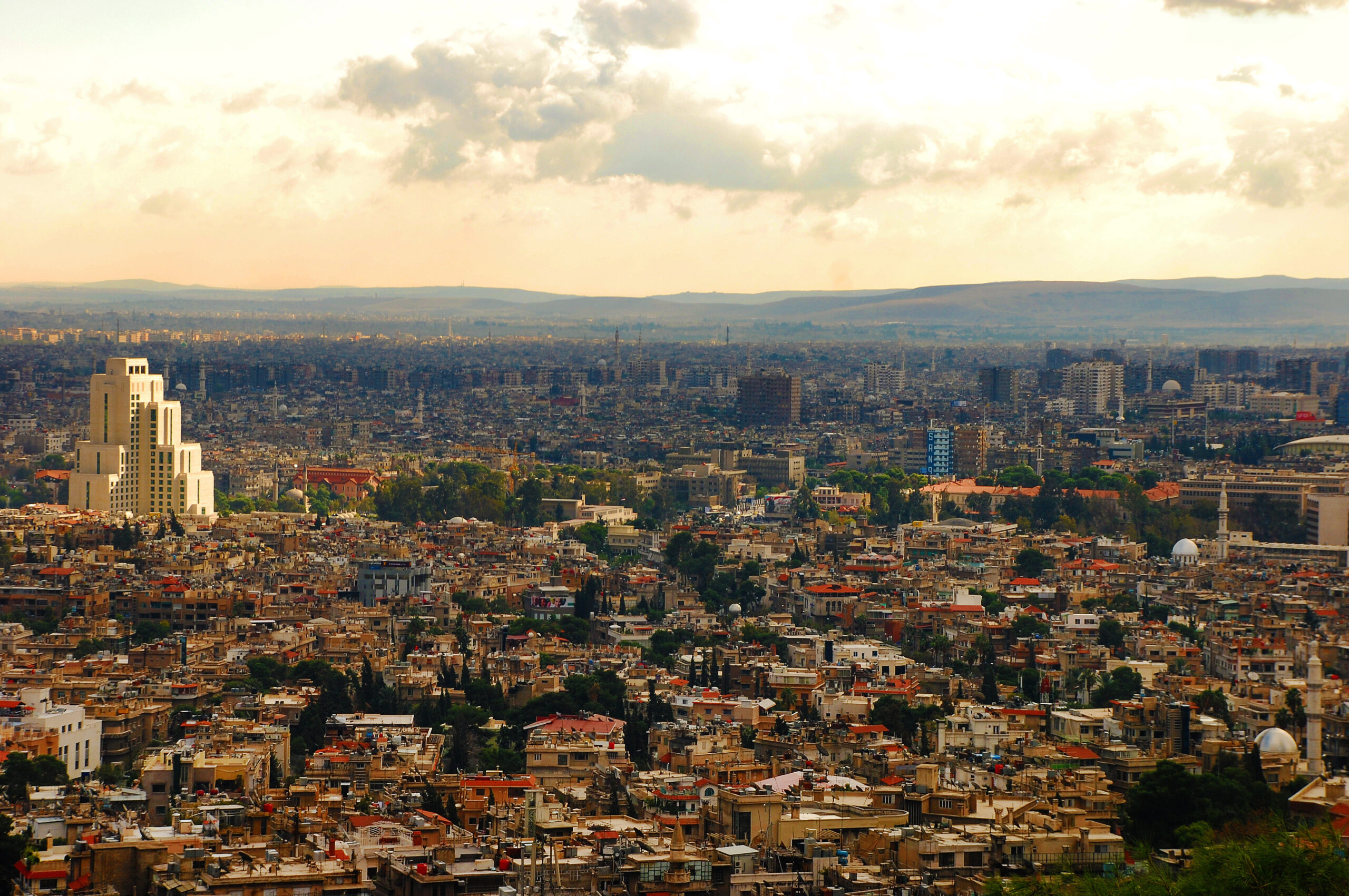
“Syria 101” in 2026
Doing Business in Syria: Practical Market Entry Guide
How do investors and business leaders navigate risks in Syria during the 180-day sanctions freeze? Construction, oil and gas, and infrastructure opportunities are already in play.
Short-term sanctions freezes like Syria’s current 180-day relief are political tools that create uncertainty. For disciplined investors, the hesitation they create in others is the competitive edge.
Mature markets offer incremental growth. Post-conflict markets like Syria, Iraq, and Libya today and Yemen, Gaza, and Afghanistan tomorrow offer step-change returns if you have the risk appetite and structure. Managing that risk starts with understanding it properly. The challenge is less about sanctions law than money flows: shallow local banks, over-compliant foreign lenders, and tight correspondent banking networks where institutions haven’t done their homework. The margin you see on paper partly compensates for that friction and political risk, not pure upside. Regional operators understand this reality. Headquarters in the US and Europe often don’t.
Deploy capital in stages. Use early investment for feasibility studies, licenses, partner vetting, and pilot operations, not full-scale builds. Keep sunk costs low while observing how sanctions relief, banking channels, and local politics actually behave.
Business leaders waiting for perfect clarity or expecting markets to adapt to their models enter late and pay premiums to first movers who managed uncertainty. Then they complain about losing to Eurasian or Asian competitors who took time to understand local conditions, adapted their approach, and often carried stronger diplomatic support. Learn from them. Validate the model. Then scale.
What is the legal status of private security companies in Syria?
The Syrian government has paused the issuance of private security licences. Under current law, armed personnel and armored vehicles are not permitted for commercial use unless specifically authorised for government clients. Sicuro operates strictly within this legal framework. Working with our local partner of many years (previously one of the few licensed security providers in Syria) we now provide end to end secure journey management, consisting of: pre-travel 1:1 briefs, 24/7 GSOC monitoring & GPS tracking, security and medical response, airside meet & greet, trained drivers, escorts, and other in-country support under a transportation licence. We do not currently offer armed guards or armored vehicles for corporate clients. Full licensing, insurance, and certification documentation is available on request.
Is Syria stable enough for business investment in 2025/2026?
The new government has unprecedented international support and is considered stable for the foreseeable period. The first few months post-regime change saw security incidents, but the situation has stabilized. The economy is entering a stabilization phase after 15 years of sanctions impact. Reconstruction demand is estimated in the hundreds of billions of dollars.
Are US and EU sanctions on Syria still in effect?
The Caesar Act has been suspended for 180 days but not fully repealed yet. Multiple layers of sanctions still exist beyond the Caesar Act, including the State Terrorism Designation from 1979. Over-compliance by foreign banks and companies remains a major obstacle. Full repeal is expected by the end of the year, but uncertainty remains.
Can foreign companies operate in Syria?
100% foreign ownership is allowed in companies with no restrictions. Foreign management is permitted but requires approvals that currently take approximately two months. A new tax framework is coming with corporate tax reducing to 15% and introducing a VAT-style system. There are no legal barriers to profit repatriation, but technical and banking barriers exist with only two banks currently operational. The currency is being reformed by removing two zeros from the Syrian pound.
How do I register a company in Syria? What is the legal and regulatory framework?
Progressive laws on intellectual property, maritime, and logistics are already in place, though enforcement remains weak due to the transitional period. The limited liability company is the most popular structure, taking approximately 20 days to establish with $5,000 minimum capital. Property ownership is protected, even for previous regime affiliates, and titles haven’t changed. The government is prioritizing arbitration over commercial courts for investor confidence.
What industries are open for investment in Syria?
Everything needs rebuilding: telecommunications, power grid, oil and gas, and infrastructure. Hotels are in extreme demand with 90-100% occupancy and are difficult to book. Logistics and transportation are critical needs. Tourism infrastructure is severely lacking. Syria could become a key transit hub from Turkey to the Gulf once sanctions are fully lifted.
Can I hire local staff in Syria? Are they skilled?
It’s easy to hire but difficult to find skilled workers due to brain drain since 2015. Education quality has declined over the past 15 years. With 400,000+ births annually, there’s abundant unskilled labor available, but skilled workers command high salaries.
What do I need to know before travelling to Syria for business?
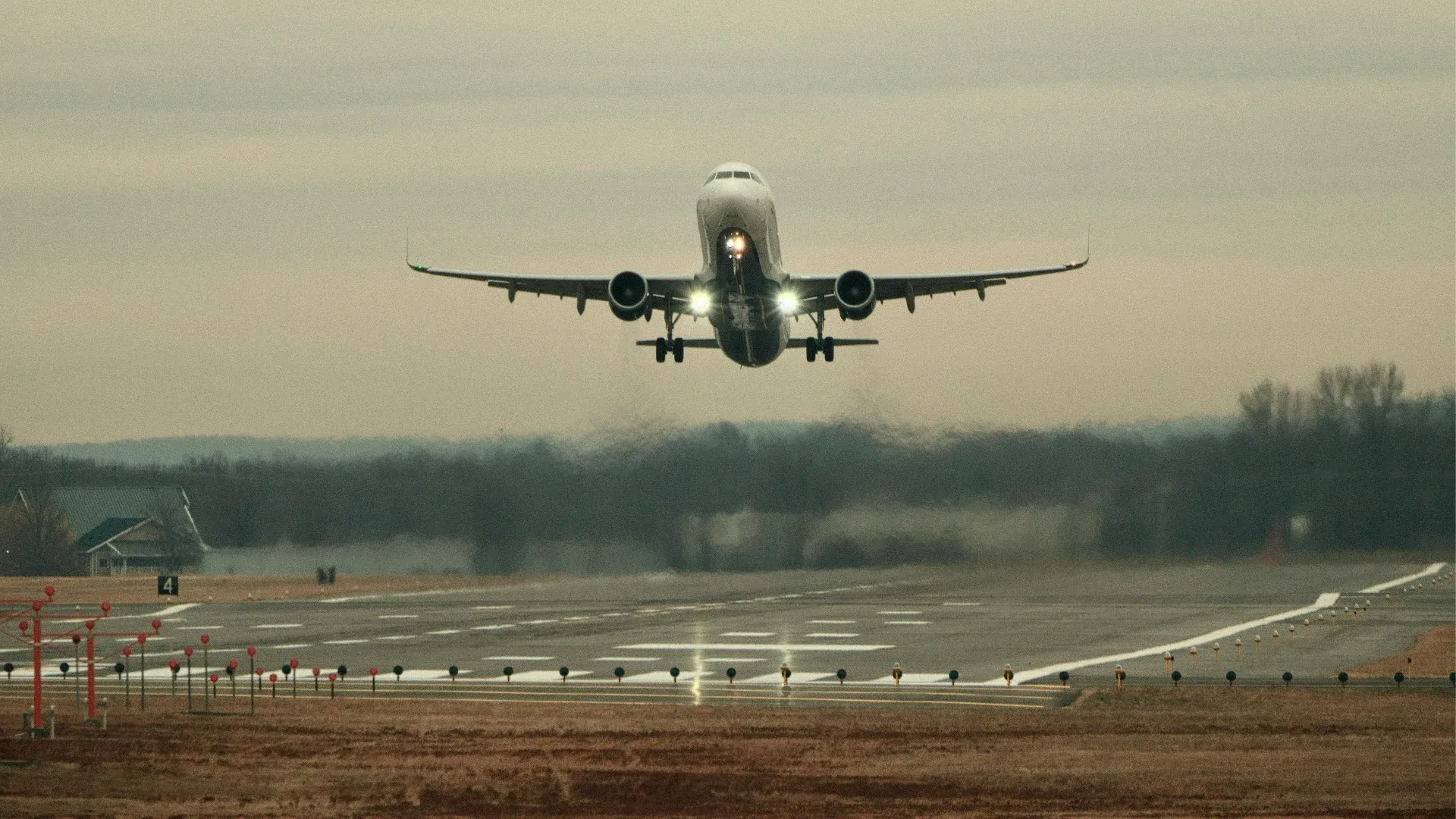
Most European and regional nationalities can get a visa on arrival with cash only. Egyptians need pre-approved visas, and Lebanese need business invitations. For transportation, use vetted local drivers in soft-skinned SUVs with daylight travel only. The Four Seasons is popular for accommodations but booked 3+ weeks out with embassies and UN occupying floors; Golden Mazzeh is a secondary option. Data and cell service works but is intermittent; VPN is recommended, and sat phones are restricted. It’s a cash-only economy using US dollars and Syrian pounds with no credit cards or wire transfers for foreigners. The airport can divert due to weather as it’s not equipped for rapid changes.
What day-day business travel should I consider for Syria?
B6 armored vehicles and armed security are not recommended or available for corporate travelers. Police and military checkpoints are routine but passable. Border crossing from Lebanon takes 3 hours plus 30-60 minutes at checkpoints.
What are the risks of doing business in Syria?
The Caesar Act is only suspended, not repealed, which creates investment hesitation. The banking system is severely limited, and rule of law enforcement is still weak. No international health insurance is widely accepted, and road accidents are common due to lack of traffic enforcement.
Since the regime fell, we’ve supported market entry across NGOs, financial services, management consulting, oil and gas, and FMCG. Sicuro Group provides end-to-end support, from pre-travel intelligence to in-country logistics. Get in touch to plan your first visit.